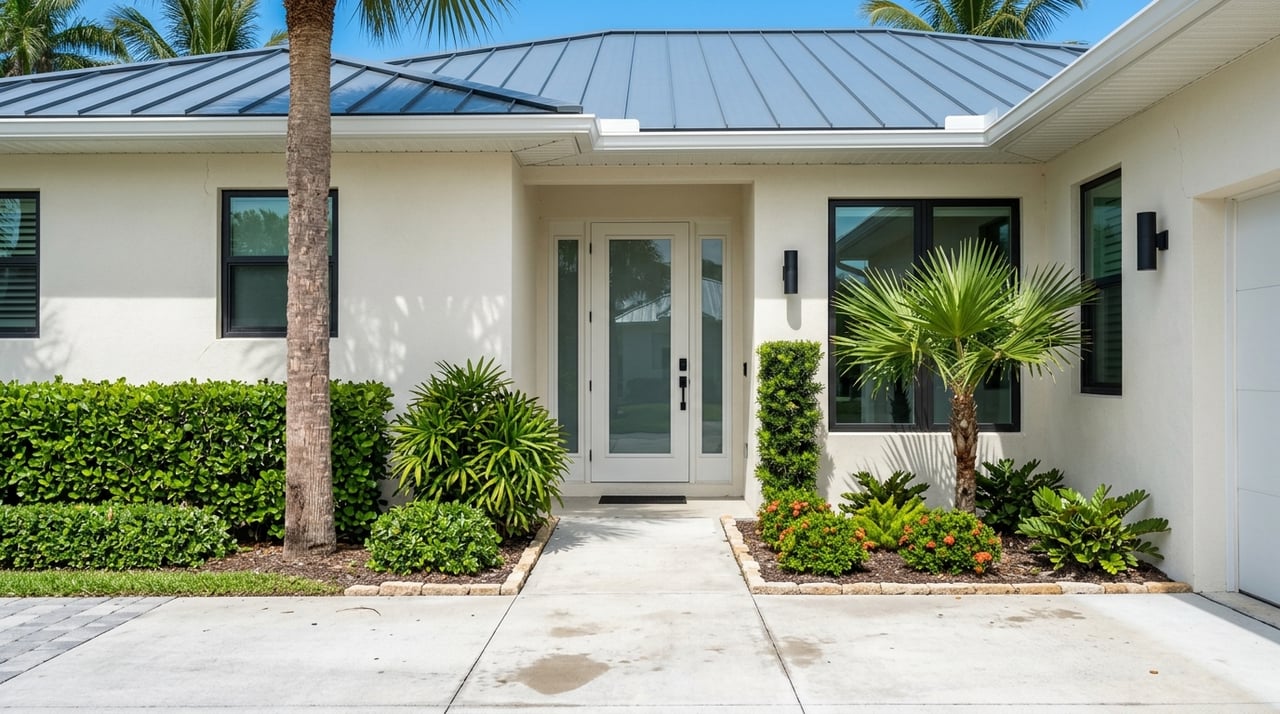
If you own an Ambersand Beach property but live somewhere else, selling can feel like a lot to manage from afar. Between coastal property questions, county records, showings, and closing logistics, you need a clear plan and a trusted local process. The good news is that much of the sale can be handled remotely when you prepare well and stay organized. Here’s how to make an out-of-state sale in Sebastian smoother, safer, and more efficient.
Why Ambersand Beach needs extra prep
Ambersand Beach sits on Indian River County’s north barrier island, south of Sebastian Inlet, in an area where coastal conditions matter. County materials describe this stretch as part of a critically eroded shoreline segment that includes private development along Ambersand Beach.
That matters because buyers often look closely at erosion history, dune conditions, flood-zone status, and any past storm or water intrusion. Indian River County also reports that 19.3 of its 22.4 shoreline miles were classified as critically eroded in 2025, so coastal due diligence is not a side issue here. It is part of the main story of the property.
Start with a remote seller file
If you are selling from out of state, your first job is to build a clean digital file. A well-organized file helps you answer buyer questions faster, support disclosures, and avoid delays once your property hits the market.
Your file should include core ownership and property records, plus documents tied to major repairs or systems. For a coastal property, that paper trail can make a real difference in how confidently your home is marketed.
What to gather first
- Deed information
- Tax and parcel records
- Permit history
- Inspection sign-offs
- Roof records and warranties
- HVAC records and warranties
- Dock or seawall records, if applicable
- Maintenance invoices
- Flood insurance history
- Storm or water-intrusion documentation
Indian River County’s Property Appraiser allows property searches by owner, address, parcel, subdivision, and intersection. The county’s Building Division also offers access to open and expired permit records through MyGovernmentOnline, which can help you verify past work from a distance.
Check permits before listing
Missing permit records can create avoidable stress in a coastal sale. In Indian River County, many improvements such as roofs and HVAC systems require permits, and contractor licensing rules also matter.
The county states that a Florida state-certified contractor must present certification before engaging in contracting in Indian River County or the City of Vero Beach. If your records are incomplete, the county’s public-records process can help you request plans, permits, inspections, and utility records to rebuild the file.
Why this step matters
Buyers often ask about the age, condition, and legal status of major systems. If you can quickly produce records for improvements and repairs, you reduce uncertainty and help keep negotiations focused.
This is especially helpful when you are not nearby to answer every question in person. A complete pre-listing file gives your local representative the tools to respond clearly and promptly.
Verify flood-zone and water history
For an Ambersand Beach property, flood information should be reviewed before the listing goes live. Indian River County’s Building Division uses current FEMA Flood Insurance Rate Map data, with new maps effective January 26, 2023.
That means it is smart to confirm your current flood-zone designation, gather insurance details, and pull together any records related to water intrusion or storm impacts. Buyers looking at barrier-island property in Sebastian will often want these answers early.
Focus on these coastal records
- Current flood-zone verification
- Flood insurance information
- Past flood or storm-related claims history, if available in your records
- Water intrusion repair documentation
- Dune or shoreline-related notes that affect the property
Having these materials ready supports accurate marketing and stronger disclosures. It also helps buyers understand the property with fewer surprises later.
Understand Florida disclosure rules
Florida sellers have a clear duty to disclose certain known facts. Under Johnson v. Davis, a seller must disclose known facts that materially affect value when those facts are not readily observable and are not known to the buyer.
For out-of-state owners, this is another reason good records matter. If you have knowledge of issues tied to flooding, repairs, defects, or property condition, you should be ready to address them accurately.
Florida statutes also require certain disclosures at the contract stage, including:
- Flood disclosure
- Sewer-lateral defect disclosure
- Subsurface-rights disclosure
- Ad valorem tax disclosure summary
Florida law also states that homicide, suicide, death, and HIV/AIDS status are not material facts that must be disclosed in a real estate transaction. For most sellers, the bigger issue is staying focused on property condition, known defects, and any required statutory disclosures.
Plan a secure showing process
When you live out of state, showing security matters just as much as marketing. You want buyers to have access, but only in a controlled and documented way.
A secure workflow usually centers on scheduled appointments, controlled entry, and a local point person who can help oversee the property between visits. This is especially useful for vacant homes, second homes, or properties that need light prep during the listing period.
What a smart access plan can include
- Appointment-only showings
- Controlled lockbox access
- Showing communication in one system
- Local oversight between visits
- Coordination for vendors, cleaners, or staging support
This type of structure helps protect the property while still making it easy for serious buyers to tour it.
Use digital marketing that works remotely
If buyers are starting their search from outside the area, your marketing package needs to do more of the heavy lifting. Strong digital presentation can help buyers understand the layout, condition, and setting before they ever step inside.
A polished campaign for an Ambersand Beach property should begin with professional visuals and a clear sense of the home’s coastal features. For remote and second-home buyers, that first impression often shapes whether they book a showing at all.
Key marketing assets
- Professional photography
- Floor plans
- A virtual walk-through or 360-degree tour
- Clear property details and system information
- Thoughtful presentation of coastal features
Virtual tools can help buyers get a more complete sense of the home’s layout before an in-person visit. For an absentee seller, that can improve efficiency by attracting better-informed buyers from the start.
Know what can be signed remotely
One of the biggest concerns for out-of-state sellers is whether they need to travel back to Florida for documents. In many cases, Florida law allows much of the paperwork process to happen remotely.
Florida gives electronic signatures the same force and effect as written signatures unless another law says otherwise. The state also permits electronic notarization and online notarization using audio-video communication technology.
The key closing detail
Florida’s deed statute still requires two subscribing witnesses. The good news is that those witness signatures can also be satisfied through audio-video communication technology.
That said, it is still wise to confirm the exact signing instructions with the title company handling your closing package. Even in a remote-friendly system, the closing team’s process should guide the final steps.
Expect a mostly remote closing
Indian River County supports digital recordation options that can make closing easier for absentee owners. The clerk accepts e-recording through approved platforms, and the county’s eCertify service can provide secure electronic certified copies of many recorded official records.
In practical terms, that means many sellers can stay out of state for most or all of the transaction. From listing prep to signatures to recorded documents, the process can often be managed without repeated travel.
A simple out-of-state selling checklist
If you want to keep your sale organized, start here:
- Gather deed, tax, parcel, and ownership records.
- Pull permit history and inspection sign-offs.
- Organize records for roof, HVAC, dock, seawall, and major repairs.
- Verify flood-zone status and assemble insurance history.
- Review any known defects or issues that may require disclosure.
- Set up a secure local showing and property-access plan.
- Prepare professional photos, floor plans, and virtual marketing.
- Confirm remote signing and closing instructions with the title company.
When these pieces are in place early, your sale is much easier to manage from a distance.
Selling a coastal property from out of state does not have to feel overwhelming. With the right records, the right marketing, and a local concierge-style approach to showings and transaction management, you can protect your time while keeping the sale on track. If you are preparing to sell an Ambersand Beach home in Sebastian, Janyne Kenworthy can help you navigate the process with local insight, personalized coordination, and experienced support from start to close.
FAQs
Can you sell an Ambersand Beach property while staying out of state?
- Yes. Florida supports electronic signatures, electronic notarization, online notarization, and audio-video witness options for many documents, and Indian River County supports e-recording.
What should you check first before listing an Ambersand Beach home?
- Start with flood-zone status, flood history, permit history, and any storm- or water-related records because Ambersand Beach is in a critically eroded coastal segment.
What records matter most when selling a Sebastian coastal property remotely?
- The most useful records usually include deed and parcel data, tax records, permits, inspections, contractor paperwork, flood documents, and records for major systems or shoreline-related improvements.
Do Florida sellers have to disclose property issues to buyers?
- Yes. Florida sellers must disclose known facts that materially affect value when those facts are not readily observable and are not known to the buyer.
Can deed signing for a Florida sale happen remotely?
- Often yes, but the deed still must satisfy Florida witness requirements, so you should confirm the exact closing package instructions with the title company handling the transaction.
